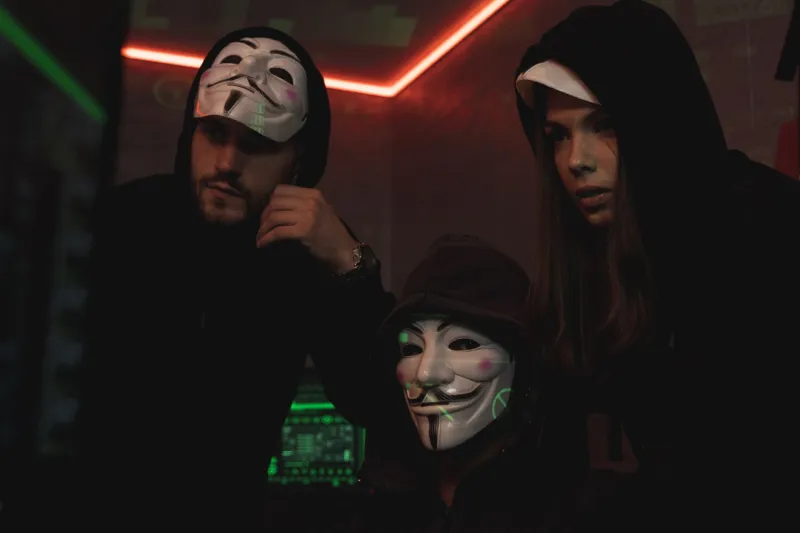
Ghost Software: The Hidden Cheat Market Destroying Competitive Gaming From the Inside Out
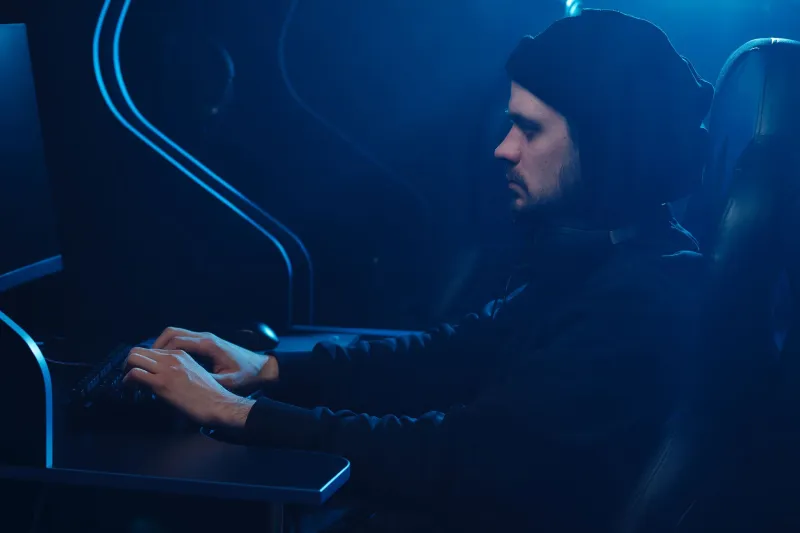
There's a version of this story where someone gets caught, gets banned, and the community moves on. Clean. Simple. Justice served. But that version doesn't exist anymore. The real story is messier, quieter, and a whole lot more expensive — for the players, the games, and the scenes built around them.
Welcome to the underground market for undetectable cheats. It's been running for years, and it's getting harder to shut down every single season.
The Product You Can't Google
You won't find the good stuff on Reddit or some sketchy forum post. The elite tier of cheat software — the kind that slips past Vanguard, BattlEye, and Easy Anti-Cheat without triggering a single flag — lives behind invite-only Discord servers, private Telegram channels, and subscription services that charge anywhere from $50 to $500 a month per license.
These aren't the garbage aimbots your cousin downloaded in 2009. Modern cheat software operates at the kernel level, spoofing hardware IDs, randomizing input patterns to mimic human error, and updating in real time whenever an anti-cheat patch drops. Some providers offer customer support. Refund policies. Version changelogs. It's a full software business built entirely on plausible deniability.
One former Valorant ranked grinder — who asked to be called "M" and hasn't played competitively since his ban in 2023 — described it plainly: "I paid $180 a month for software that made me look like a really good player instead of a cheater. For eight months, it worked perfectly. Then one morning, I woke up to a permanent ban on every account I owned."
Eight months. Then nothing.
Why Players Risk It
The honest answer isn't greed. It's pressure.
The path from ranked grinder to signed pro is brutal and statistically unlikely. Scouts watch streams. Clip compilations get circulated. Performance during ranked queues against known players can open doors — or close them forever. In that environment, the temptation to use software that closes the gap between good and elite is less about laziness and more about desperation.
"Everyone I was competing against felt like they were playing at a level I couldn't touch," said a former semi-pro CS2 player who went by the alias "Prism" in the North American open circuit. "I didn't even think of it as cheating at first. I thought of it as leveling the playing field. That's what I told myself."
Prism was VAC banned in early 2024. His team dropped him within 48 hours. His Twitch channel, which had around 4,000 followers, lost half its audience inside a week. The sponsors he'd been in early conversations with never responded again.
"I sent emails. I tried to explain. Nobody cared. You're just gone."
The Anti-Cheat Arms Race
Game publishers aren't sitting still. Riot's Vanguard anti-cheat — the most invasive consumer-facing anti-cheat system currently deployed — runs at the kernel level itself, which means it's operating at the same depth as the cheats it's trying to catch. That's not a coincidence. It's a direct response to the escalation.
The problem is that anti-cheat companies are always playing defense. Cheat developers get to innovate freely. Anti-cheat teams have to wait until a hack is deployed, analyze it, and then push a patch — a cycle that can take weeks. During that window, the software is essentially invisible.
Esports integrity organizations have started supplementing automated detection with human review — watching for statistical anomalies in pro match data, flagging accounts that perform too consistently across too many variables. It's more effective than pure software detection, but it's slow, resource-intensive, and almost impossible to scale down to ranked play where most cheating actually happens.
The Reputation Hole You Can't Climb Out Of
Here's the part nobody talks about enough: getting banned isn't the worst thing that happens to you. The worst thing is the permanent record.
In an era where every clip gets archived, every accusation gets screenshotted, and Reddit threads live forever, a cheating ban doesn't fade. It follows you. Players who've been banned have tried to rebrand under new handles, start fresh on new accounts, even switch games entirely. It rarely works. The community has a long memory and a longer reach.
"M" tried to come back six months after his ban under a new name. Within two weeks, someone from his old community recognized his playstyle on stream and posted about it. The new channel was dead before it ever really started.
"I'm not even sure I want to play competitively anymore," he said. "Not because I'm banned. Because I don't know how to trust the scene again. I don't know who's clean and who isn't. And I don't know if anyone would believe me even if I were."
The Scene Pays the Bill
The real damage from widespread cheating isn't to individual careers. It's to the integrity of the entire competitive ecosystem. When viewers can't trust that what they're watching is real, viewership erodes. When players can't trust that their ranked environment is fair, engagement drops. When sponsors can't trust that the players they're backing are clean, investment dries up.
The underground cheat market isn't just a problem for the players who use it. It's a slow-acting poison for the communities, the tournaments, and the games themselves.
Prism put it the simplest way possible: "I thought I was cheating the game. Turns out I was cheating everyone who ever watched me play."
There's no patch for that.