The Velvet Rope in Esports: How Orgs Are Building Two-Class Systems and Freezing Out the Next Generation
Esports loves to sell the dream. Grind hard enough, hit the right rank, play the right game at the right time — and maybe, just maybe, an org picks you up and your life changes. That's the pitch. The reality, according to players who've been through the grinder, looks a lot different.
What's actually happening inside some of the most well-funded esports organizations in the US right now is a quiet but systematic separation of players into two distinct classes. Contract players get the gear, the coaches, the facility access, the analyst support, and the structured practice schedule. Tryout prospects and developmental players? They get a Discord invite and a prayer.
Two Roofs, Two Realities
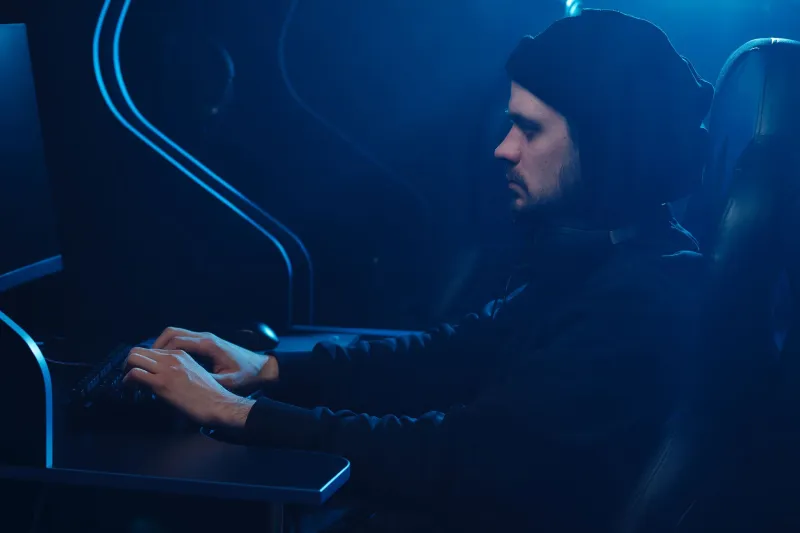
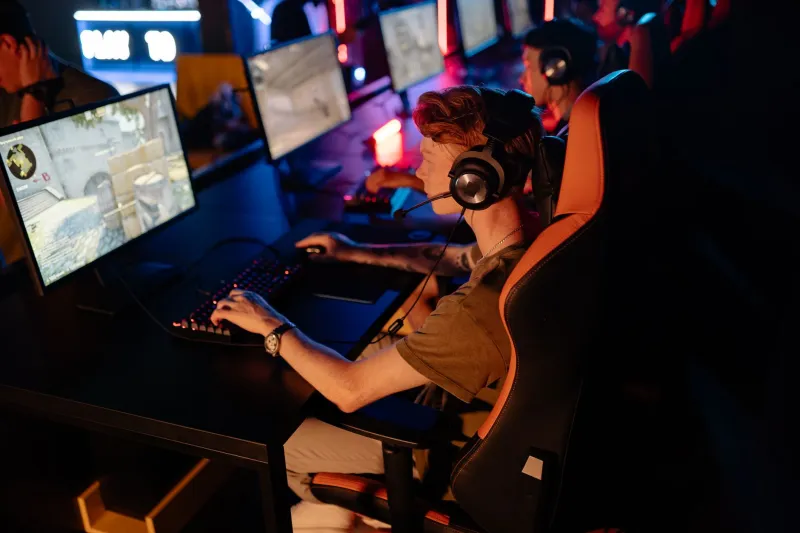
Several current and former developmental players, speaking anonymously because they're still trying to break into the scene, described a setup that's become increasingly common at mid-to-large orgs. Contracted players operate out of dedicated team houses or official practice facilities — full setups with high-end rigs, dedicated coaching staff, nutritionists in some cases, and mental performance coaches. Tryout players, meanwhile, are expected to practice from home, on their own hardware, with no structured coaching access.
"They'd send us VODs sometimes," one former prospect told us. "Like, a coach would record a clip and drop it in a group chat. Meanwhile the main roster guys were getting one-on-ones every day. You're supposed to compete with that?"
The gap isn't just about comfort. It's about competitive preparation. When you're trying to earn a spot against players who are actively being coached, drilled, and supported at a professional level, and you're doing it from your bedroom with zero institutional backing, the tryout isn't really a tryout. It's theater.
The Financial Architecture Behind the Divide
This isn't happening because orgs are lazy. It's happening because the math makes sense — for them. Maintaining a full developmental pipeline is expensive. Coaching staff, facility time, equipment — it all adds up fast. Organizations that are already stretching budgets across multiple game titles have a clear financial incentive to keep investment concentrated in proven, contracted talent.
What that creates is a system where the barrier to entry isn't just skill — it's access. A player from a well-resourced background who can self-fund better equipment and maybe even hire private coaching has a structural advantage over someone equally talented who can't. The org's two-tier setup amplifies that inequality instead of correcting it.
One former esports operations manager, who left the industry last year, put it bluntly: "We'd run tryouts knowing we weren't going to sign anyone. It was market research. You see what's out there, you identify a few names, you move on. The prospects think they have a shot. Most of them don't."
The Gatekeeping Gets Quiet
What makes this particularly hard to fight is how invisible it is. There's no press release announcing that your org runs a two-tier system. No sponsor tweet celebrating the fact that developmental players don't have the same access. It just exists, quietly, underneath the surface of a scene that talks constantly about opportunity and meritocracy.
Players who get frozen out rarely go public. The esports world is small. Burning a bridge with one org can close doors at three others. So the frustration stays private, shared in DMs and Discord servers where the orgs aren't watching.
The ones who do speak up often describe the same pattern: initial excitement, a tryout period where they're kept at arm's length from real resources, vague feedback that never translates into an actual offer, and eventually a quiet fade-out with no explanation.
"They just stopped responding," said one player who spent three months in a developmental program for a top-20 North American org. "No feedback, no 'we're going a different direction,' nothing. I found out they signed someone else from their main roster's social media."
What This Costs the Scene
Beyond individual careers, this system has a real cost for competitive esports as a whole. If the pipeline into professional play is clogged by resource inequality, the talent that actually rises to the top isn't necessarily the best talent — it's the most resourced talent. Over time, that narrows the gene pool. The scenes that produce the most exciting, unpredictable, high-level competition are the ones with genuine open access. Closed systems produce predictable hierarchies.
There's also a trust problem. When prospects figure out — and they do figure out — that tryouts are performative exercises rather than genuine evaluations, they stop engaging. Word spreads. The org's reputation in developmental communities takes a hit. Ironically, the orgs doing the most gatekeeping are often the ones that complain loudest about not finding enough raw talent.
No Easy Fix, But There Are Fixes
Some organizations are doing it differently. Smaller orgs with less overhead and a more direct relationship with their developmental players have built genuine pipelines — structured mentorship, shared coaching access, transparent evaluation criteria. It costs more in the short term. It pays off when a developmental player becomes a franchise cornerstone.
The bigger orgs have the resources to do the same. What they lack, in most cases, is the will. Until there's external pressure — from players, from sponsors who care about ecosystem health, or from the broader esports community calling this out — the velvet rope stays up.
The dream is still being sold. The door just isn't as open as advertised.